
Japanese wallet organizers transcend mere functionality; they embody a meticulous aesthetic rooted in centuries of design philosophy. From the carefully chosen materials to the symbolic patterns, these wallets offer a glimpse into a culture that prioritizes beauty in the everyday. This exploration delves into the nuanced world of Japanese wallet aesthetics, examining the key elements that define their unique appeal.
The meticulous craftsmanship and thoughtful organization evident in Japanese wallet organizers reflect a deep respect for both form and function. This attention to detail extends to the selection of materials, often incorporating traditional Japanese techniques and symbolism. Understanding the underlying principles of Japanese design is crucial to appreciating the profound impact these wallets have on the user.
Defining Japanese Wallet Organizer Aesthetics
Japanese wallet organizers, prized for their meticulous design and functionality, reflect a deep-seated cultural appreciation for craftsmanship, minimalism, and practicality. These organizers often go beyond simple utility, embodying a philosophy of refined simplicity and a harmonious integration with daily life. This meticulous attention to detail often extends to subtle design elements, materials, and color choices, showcasing a unique aesthetic sensibility.The aesthetic of Japanese wallet organizers is a compelling blend of traditional Japanese design principles and modern functionality.
These organizers are not merely containers for money and cards; they are considered tools that seamlessly integrate into the user’s daily routine, reflecting a deep understanding of user needs. This integration often results in a visual harmony that is both sophisticated and unassuming.
Visual Characteristics
Japanese wallet organizers typically feature a clean, uncluttered design. Sharp lines and precise construction are common, emphasizing the organizers’ structural integrity and understated elegance. The focus on functionality is evident in the thoughtful layout of compartments, ensuring ease of access to different items without compromising the overall aesthetic. A strong emphasis on balanced proportions is frequently seen, resulting in a harmonious and visually appealing product.
Color Palettes and Materials
Common color palettes in Japanese wallet organizers often lean towards muted tones, reflecting a preference for understated elegance. Neutral colors like beige, gray, and navy blue are frequently employed, creating a calm and sophisticated visual experience. Natural materials like leather, often treated to a smooth, polished finish, are frequently utilized. This choice underscores the inherent beauty of natural materials and aligns with the philosophy of sustainability.
Other materials like high-quality synthetic alternatives with similar tactile qualities and durability are also gaining popularity.
Design Elements
Several design elements are frequently incorporated into Japanese wallet organizers. One prominent feature is the use of subtle stitching, which adds a touch of craftsmanship and visual interest without detracting from the overall minimalist aesthetic. The thoughtful placement of zippers or closures often uses elegant metal hardware, further enhancing the organizers’ refined look. Japanese wallet organizers may incorporate intricate patterns or textures, such as subtle wood grain patterns in the material, adding a touch of depth and visual interest.
The integration of these elements is done in a way that does not disrupt the harmony of the organizer’s overall design.
Cultural Influences
The aesthetics of Japanese wallet organizers are deeply rooted in Japanese cultural values. The emphasis on simplicity and functionality reflects the Japanese appreciation for minimalism and the pursuit of elegance in everyday objects. The use of natural materials and muted colors echoes traditional Japanese aesthetics, drawing inspiration from centuries of artistic and design traditions. This emphasis on refinement and practicality has a significant influence on the overall design.
Role of Minimalism and Functionality
Minimalism plays a crucial role in Japanese wallet organizer design, as evidenced by the emphasis on clean lines, uncluttered layouts, and the use of neutral color palettes. The organizers are meticulously designed to optimize functionality and ease of use, ensuring a smooth and efficient daily experience. This focus on functionality and efficiency is integral to the design, showcasing the Japanese design philosophy that seeks to create objects that enhance daily life without unnecessary embellishment.
Different Types of Japanese Wallet Organizers
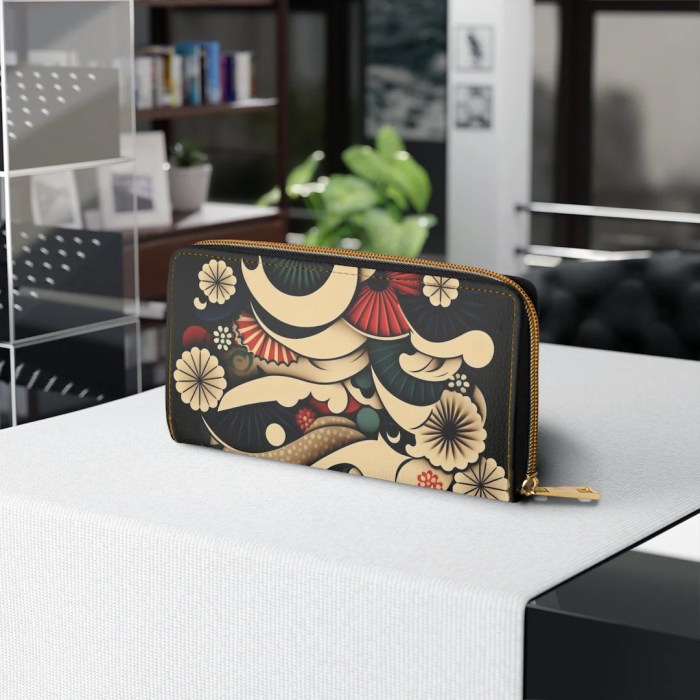
Japanese wallet organizers, prized for their functionality and aesthetic appeal, come in diverse forms. These meticulously crafted accessories often reflect the Japanese emphasis on minimalism and practicality, seamlessly integrating into daily life while exuding a distinctive style. The range of options caters to various needs and preferences, each type offering unique benefits and design considerations.Japanese wallet organizers exemplify the fusion of form and function.
Their diverse types, from the compact and slim to the expansively organized, reflect a thoughtful consideration of the user experience, prioritizing both practicality and visual appeal.
Folding Wallet Organizers
Folding wallet organizers, often constructed from supple leather or durable synthetic materials, are designed for ease of portability and space-saving convenience. Their characteristic folding mechanism allows for a compact profile when not in use, ideal for carrying in a pocket or purse. This design feature often translates into a minimalist aesthetic, focusing on clean lines and uncluttered surfaces.
The folding action itself can be a key design element, emphasizing the quality of the materials and craftsmanship.
Slim Wallet Organizers
Slim wallet organizers are characterized by their compact size and lightweight design. They are perfect for those seeking a streamlined approach to carrying essentials, prioritizing a minimal footprint while maintaining ample storage. These organizers often feature intricate stitching, carefully considered material choices, and refined finishes that contribute to a sophisticated visual appeal. The focus is on functionality and elegance, offering a streamlined solution for everyday needs.
Compact Wallet Organizers
Compact wallet organizers, a popular choice for everyday use, offer a balance between space efficiency and ample storage. They are designed to hold essential cards, cash, and other small items, while maintaining a compact size that fits easily into pockets or bags. These organizers often showcase Japanese design sensibilities through their thoughtful layout, clear organization, and meticulously crafted details.
The emphasis is on maximizing space and functionality within a constrained area.
Table Comparing Different Types
| Type | Features | Visual Aspects |
|---|---|---|
| Folding | Compact, portable, space-saving design. | Minimalist aesthetic, clean lines, focus on material quality. |
| Slim | Lightweight, streamlined design, minimal footprint. | Sophisticated, elegant aesthetic, intricate stitching, refined finishes. |
| Compact | Balanced storage capacity and compact size, fits easily in pockets/bags. | Thoughtful layout, clear organization, meticulously crafted details, reflecting Japanese design sensibilities. |
Material and Color Palettes
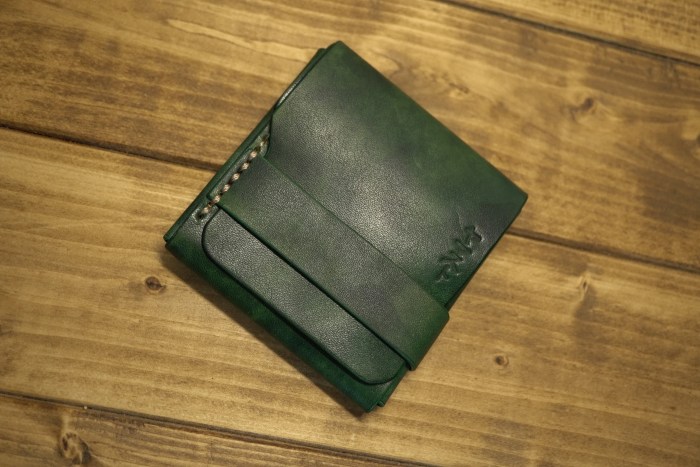
Japanese wallet organizers, prized for their meticulous design and functionality, often prioritize materials and color palettes that evoke a sense of traditional Japanese aesthetics. These choices are not arbitrary but carefully considered to convey specific values and emotions, contributing significantly to the overall appeal and cultural resonance of the item. The combination of material and color palette creates a visual language that speaks to the meticulous craftsmanship and enduring spirit of Japanese design.The selection of materials for Japanese wallet organizers is deeply rooted in the cultural appreciation for natural beauty and craftsmanship.
Materials like leather, fabric, and metal are frequently used, each with its own unique symbolic meaning and tactile qualities. The meticulous attention to detail in material selection underscores the commitment to quality and enduring value inherent in Japanese design principles.
Common Materials
The materials employed in Japanese wallet organizers often reflect a deep respect for natural resources and traditional techniques. Leather, a durable and versatile material, is frequently chosen for its rich texture and timeless appeal. The smooth, supple feel of high-quality leather, often meticulously tanned and finished, is a hallmark of Japanese craftsmanship. Fabric, including silk and linen, offers a softer touch and a sense of lightness, complementing the more robust feel of leather.
Metal, particularly brass or copper, adds a touch of elegance and a sense of enduring strength. The choice of metal often emphasizes the modern sensibilities while still maintaining a connection to traditional materials.
Color Palettes and Symbolic Meanings
Japanese color palettes in wallet organizers often draw inspiration from nature and traditional symbolism. Muted tones, such as earthy browns, deep greens, and soft grays, are frequently employed, evoking a sense of serenity and harmony. These colors are often associated with natural elements and traditional Japanese aesthetics. A palette of deep blues and rich blacks can convey a sense of sophistication and elegance, while subtle hints of gold or silver add a touch of refinement and luxury.
The specific color choices often carry symbolic meanings deeply rooted in Japanese culture, further enhancing the overall aesthetic appeal.
Examples of Material and Color Choices
A wallet organizer crafted from supple, dark brown leather, accented with brass rivets and featuring a muted indigo interior, embodies a traditional aesthetic. This combination of materials and colors suggests a balance between sophistication and practicality, reflecting a deep appreciation for craftsmanship. Conversely, a wallet organizer made of linen fabric in a light beige or cream color, featuring subtle gold embroidery, evokes a more delicate and refined aesthetic.
The lighter tones and delicate embroidery suggest a focus on elegance and sophistication.
Material-Color-Aesthetic Relationships
| Material | Common Colors | Aesthetic |
|---|---|---|
| Leather | Dark brown, deep burgundy, black | Timeless, sophisticated, durable |
| Fabric (Silk, Linen) | Cream, beige, light gray, muted indigo | Delicate, refined, elegant |
| Metal (Brass, Copper) | Gold, silver, bronze | Elegant, modern, sophisticated |
Design Elements and Patterns
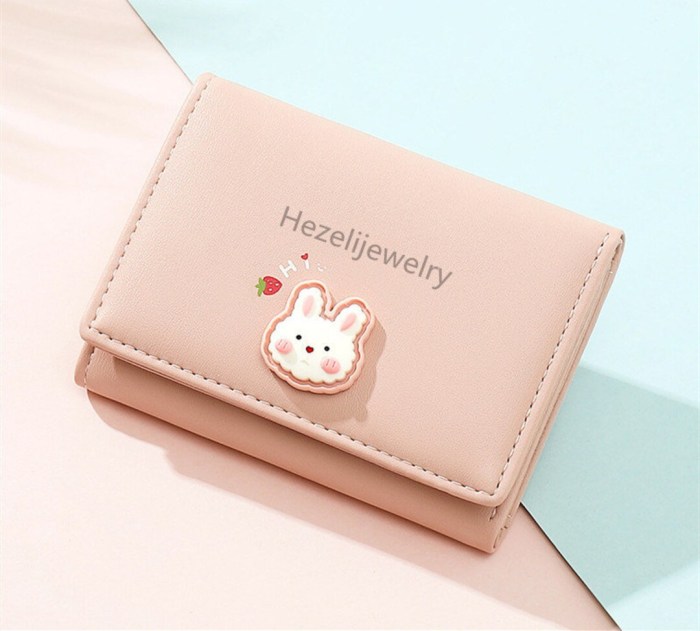
Japanese wallet organizers, a testament to meticulous craftsmanship, are more than just functional accessories. Their design elements, including stitching, closures, and compartments, are meticulously chosen to embody a unique aesthetic that blends practicality with traditional Japanese artistry. This focus on detail extends to the incorporation of symbolic patterns, contributing to the overall appeal and cultural significance of these organizers.The artistry of Japanese wallet organizers transcends simple utility.
The thoughtful integration of design elements and patterns creates a holistic experience, reflecting the deep-rooted cultural values and aesthetic principles of Japan. The selection of materials, colors, and motifs often carries specific meanings, contributing to the piece’s symbolic weight.
Common Design Elements
The design elements of Japanese wallet organizers often prioritize functionality while adhering to aesthetic principles. Precise stitching, a hallmark of Japanese craftsmanship, reinforces the durability and aesthetic appeal of the organizer. The choice of closures, from subtle magnetic snaps to intricate button mechanisms, balances practicality with the desired aesthetic. Compartments, meticulously designed to accommodate various card types and cash, demonstrate the attention to detail that characterizes these organizers.
Traditional Japanese Patterns
Traditional Japanese patterns, deeply rooted in history and symbolism, are frequently incorporated into the design of these organizers. Floral motifs, often featuring cherry blossoms, chrysanthemums, or bamboo, represent themes of beauty, transience, and resilience. Geometric patterns, including intricate latticework or swirling designs, evoke a sense of harmony and balance.
Meaning and Symbolism
The choice of patterns often carries specific meanings and symbolism. Cherry blossoms, for example, represent the fleeting beauty of life and the ephemeral nature of springtime. Chrysanthemums symbolize longevity and prosperity, while bamboo signifies strength and resilience in the face of adversity. Geometric patterns, such as the iconic “wagashi” patterns found in traditional Japanese sweets, often evoke a sense of order and harmony in the natural world.
Design Element, Pattern, and Visual Impact Table
| Design Element | Pattern | Visual Impact |
|---|---|---|
| Stitching | Intricate, even stitches | Craftsmanship, precision, durability, visual appeal |
| Closures | Magnetic snaps, button closures | Practicality, visual appeal, attention to detail |
| Compartments | Various sizes and shapes for cards and cash | Functionality, organization, thoughtful design |
| Floral Patterns | Cherry blossoms, chrysanthemums | Beauty, transience, resilience, cultural symbolism |
| Geometric Patterns | Latticework, swirling designs | Harmony, balance, order, cultural symbolism |
Functionality and Organization
Japanese wallet organizers prioritize functionality, reflecting a meticulous approach to daily life. This extends beyond simple storage; the design integrates seamlessly with user needs, emphasizing ease of access and streamlined organization. The meticulous attention to detail in these organizers stems from a deep-seated cultural appreciation for efficiency and practicality.The design of a Japanese wallet organizer is not just about aesthetics; it’s about optimizing space and accessibility.
Organization isn’t an afterthought but an integral part of the product’s form. The placement of compartments, the selection of materials, and the overall structure all contribute to the smooth flow of accessing necessary items, reflecting the Japanese emphasis on user experience.
Importance of Easy Access
A key feature of Japanese wallet organizers is their design for quick access to frequently used items. This isn’t just about having compartments; it’s about strategically placing those compartments to minimize searching. The placement of credit cards, cash, and other essentials is carefully considered to maximize efficiency. This consideration is crucial for the smooth operation of everyday activities, ensuring that users can effortlessly manage their finances and essentials.
Detailed Organization Systems
Japanese wallet organizers often incorporate multiple compartments for different items. This might include dedicated slots for cards, a separate section for cash, and pockets for receipts or small items. The dividers are often crafted from durable materials to prevent items from shifting or getting lost. The materials and construction contribute to the long-term functionality and longevity of the wallet.
Organization Systems Comparison
| Organization System | Description | Benefits |
|---|---|---|
| Card Compartments | Multiple, clearly defined slots for individual cards, sometimes with dividers to prevent shuffling. | Facilitates quick identification and retrieval of specific cards. Reduces the risk of scratching or bending cards. |
| Cash Pocket | A dedicated, secure compartment for storing cash, often with a flap or closure. | Keeps cash organized and separate from other items. Provides security from loss or damage. |
| Receipt/Small Item Pocket | A designated area for storing receipts, small notes, or other miscellaneous items. | Keeps smaller items from getting lost or mixed with other belongings. Allows for quick retrieval of receipts or notes. |
| Multi-Compartment Wallet | Combines various compartments for cards, cash, and other items, usually with a clear separation. | Provides a comprehensive organization system for all necessary items. Streamlines access to specific items. |
Modern Interpretations of Japanese Aesthetics
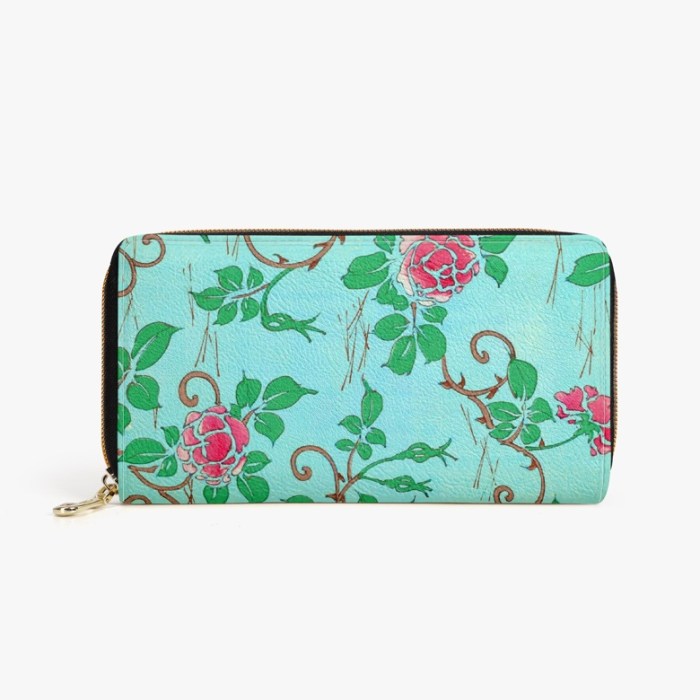
Japanese wallet organizers, steeped in centuries of craftsmanship and meticulous design, are undergoing a fascinating evolution. Modern designers are reinterpreting traditional aesthetics, infusing them with contemporary sensibilities while retaining the core principles of functionality and organization. This fusion creates a unique blend of timeless elegance and forward-thinking design, appealing to a broader audience while honoring the rich legacy of Japanese craftsmanship.Contemporary interpretations are characterized by a sophisticated approach to material selection, design elements, and color palettes.
This results in wallet organizers that are both aesthetically pleasing and highly practical. The essence of Japanese aesthetics, including minimalism, harmony, and attention to detail, remains central to these modern adaptations.
Material and Color Palettes in Modern Adaptations
Modern interpretations often embrace a wider range of materials beyond traditional Japanese lacquers and silks. This expansion allows for a more varied and sophisticated aesthetic. Premium leathers, such as supple calfskin or rich vegetable-tanned cowhide, are increasingly popular, offering a tactile experience that complements the minimalist designs. The use of high-quality metals, like brushed stainless steel or polished brass, adds a touch of modern luxury.
Color palettes are also evolving, moving beyond the traditional muted tones. Subtle gradients, nuanced jewel tones, and even pops of bold color are used to add a contemporary flair while retaining a sense of refined elegance. For instance, a wallet organizer might feature a deep indigo leather with brass accents, creating a striking contrast.
Design Elements and Patterns in Modern Designs
Contemporary wallet organizers are incorporating modern design elements that seamlessly integrate with traditional patterns and motifs. Geometric patterns, often inspired by traditional Japanese designs but rendered in a more contemporary style, are gaining popularity. The use of clean lines and precise craftsmanship, common in modern design, is being integrated into the meticulous construction of these wallets. These modern design elements maintain the focus on functionality and organization while elevating the overall aesthetic appeal.
For example, a wallet organizer might use a subtle, repeating wave pattern inspired by traditional Japanese art but rendered in a sleek, modern typeface on the exterior.
Unique Features of Modern Adaptations
These modern interpretations often incorporate unique features that enhance both functionality and aesthetic appeal. This includes innovative card slots and compartments designed for optimal organization and ease of access. Smart card slots and RFID blocking technologies, for example, ensure security and convenience in the digital age. Modern designs may also feature integrated pockets for receipts or business cards, or dedicated slots for smaller items like keys or coins, demonstrating the integration of practical needs with refined aesthetics.
Furthermore, subtle details like intricate stitching or hand-painted accents add a personalized touch, reflecting a commitment to quality and artistry.
Blending Modern Aesthetics with Traditional Functionality
The fusion of modern aesthetics and traditional functionality is evident in the way these wallet organizers are designed. Traditional Japanese attention to detail and the principles of harmony are still present, but the implementation of these principles is done in a way that complements modern needs and expectations. These adaptations ensure that the wallets maintain their organization and functionality while also reflecting the elegance of Japanese design.
A modern wallet organizer, for example, might incorporate a sophisticated magnetic closure, replacing a traditional snap, without sacrificing the strength or security of the closure. This showcases the balance between innovation and preservation of core values.
Visual Inspiration from Japanese Culture
Japanese wallet organizers, reflecting a deep-seated cultural appreciation for aesthetics, often draw inspiration from traditional motifs and design principles. This inherent appreciation for beauty and functionality seamlessly integrates into the design, creating a harmonious blend of practicality and artistic expression. The meticulous attention to detail and symbolic meaning embedded within these cultural elements elevates the wallet organizer beyond a simple accessory to a tangible representation of Japanese artistry.The aesthetic of Japanese wallet organizers isn’t merely a superficial imitation; it’s a conscious incorporation of core cultural values.
These values, steeped in centuries of tradition, are reflected in the meticulous craftsmanship, harmonious color palettes, and symbolic imagery employed in the design. This integration fosters a deep connection between the user and the cultural heritage embodied in the product.
Traditional Japanese Motifs and Imagery
Japanese culture is rich in symbolism, and these motifs frequently appear in wallet organizers. The use of these symbols imbues the organizer with a deeper meaning and cultural resonance for the user. This translates into a visually engaging product, appealing to those who appreciate the rich heritage of Japanese design.
- Cherry Blossoms (Sakura): A popular motif, cherry blossoms symbolize the ephemeral beauty of life and the fleeting nature of spring. Their delicate and vibrant nature translates to a visually appealing and delicate aesthetic. This delicate beauty can be found in the intricate designs and patterns applied to the organizer’s exterior. The softness and color palette often mirror the blossoming of the flower.
- Bamboo: Representing resilience, strength, and flexibility, bamboo is a powerful symbol. Its graceful form and ability to adapt to various environments often translate into the design’s structural integrity and adaptability, while its natural color palette is often integrated into the color scheme of the organizer.
- Geometric Patterns (e.g., circles, squares, and waves): Geometric patterns often derive from traditional Japanese arts like calligraphy and woodblock prints. These patterns reflect a profound appreciation for balance and harmony, creating a visually appealing and structured aesthetic within the design.
- Koi Fish (Koi nobori): Bold and vibrant, koi fish represent perseverance, strength, and overcoming obstacles. Their vibrant colors and dynamic movements create a bold visual impact in wallet organizers, symbolizing the wearer’s determination and spirit.
Traditional Japanese Art and Design Principles
Beyond specific motifs, Japanese art and design principles deeply influence the aesthetic.
- Wabi-Sabi: This aesthetic philosophy embraces imperfection, asymmetry, and the natural beauty of aging. This philosophy translates into the use of natural materials, slightly irregular shapes, and subtle variations in color within the organizer’s design, reflecting the beauty in imperfections.
- Minimalism: Japanese aesthetics often emphasize simplicity and elegance, reducing unnecessary embellishments. This principle is apparent in the clean lines and functional designs of many wallet organizers, maximizing space and minimizing clutter.
- Harmony (Wa): A focus on balance and harmony between elements is paramount. This principle is reflected in the careful selection of materials, colors, and patterns that complement each other and create a cohesive design.
- Symmetry and Balance: Even when asymmetry is present, a sense of balance and symmetry are maintained, reflecting a deep appreciation for proportion in traditional Japanese aesthetics. This often involves careful consideration of space and visual weight within the organizer’s layout.
Integration of Cultural Influences into Design
The visual inspiration from Japanese culture isn’t just about adding motifs. It’s a deep understanding of the cultural context and how to translate these principles into a contemporary design.
| Cultural Element | Design Feature |
|---|---|
| Cherry Blossoms | Delicate floral patterns on the exterior, often in pale pinks, whites, and creams |
| Bamboo | Intricate lines or representations of bamboo stalks on the organizer’s surface, or use of a light green color |
| Wabi-Sabi | Slight variations in material tones, subtly distressed finishes, or use of natural materials |
| Minimalism | Clean lines, ample space for cards, and uncluttered layout |
Image Gallery
Visualizing the nuances of Japanese wallet organizer aesthetics requires a deeper exploration of the visual language they embody. Images provide a powerful tool for understanding the meticulous craftsmanship, subtle color palettes, and thoughtful organization that define this distinct design philosophy.
Image 1: Zenith of Traditional Craftsmanship
This image showcases a wallet organizer crafted from meticulously selected, dark-stained wood. The grain of the wood is subtly highlighted, showcasing the natural beauty of the material. The organizer’s design features a series of small, meticulously crafted compartments, each carefully sized for specific items. The overall shape is rectangular, with clean lines and a restrained, minimalist aesthetic, reflecting the principles of Japanese design.
The subtle, almost imperceptible variations in the wood’s tone enhance the handcrafted quality, hinting at a traditional Japanese workshop’s meticulous attention to detail. This image captures the timeless appeal of Japanese artistry, focusing on the natural beauty of materials and the meticulous attention to detail.
Image 2: Modern Interpretation of a Classic Design
This image depicts a wallet organizer that reimagines traditional Japanese design principles within a contemporary framework. The material is a sleek, matte black leather, contrasted with subtle copper accents that highlight the structural elements. The layout of the compartments is optimized for functionality, yet the overall design maintains a sense of elegance and simplicity. Instead of traditional compartments, the modern interpretation incorporates a system of magnetic closures and pull-tabs, demonstrating a modern understanding of how to maintain Japanese aesthetics while updating them for modern use.
The image illustrates how Japanese aesthetics can adapt and evolve without sacrificing their core values of simplicity and functionality.
Image 3: Subtlety of Color and Pattern
This wallet organizer exemplifies the use of subtle color and pattern in Japanese design. The image showcases a wallet organizer constructed from a rich, deep indigo-dyed fabric, featuring a subtle, repeating pattern of stylized bamboo leaves. The color palette evokes a sense of tranquility and serenity, while the intricate pattern subtly reflects the beauty of nature. The compartments are organized in a way that maintains visual harmony with the overall design, further enhancing the feeling of serenity and peace.
The focus is on creating a calming visual experience, reflecting the Japanese emphasis on harmony and natural elements in design.
Image 4: The Power of Natural Materials
This wallet organizer is crafted from natural, unpolished bamboo. The image highlights the unique texture and natural color variations of the bamboo. The compartments are simple, functional, and blend seamlessly with the natural material. The organizer’s design emphasizes the warmth and authenticity of natural materials. The image highlights the Japanese aesthetic’s appreciation for natural materials and the beauty found in their natural imperfections.
| Image | Aesthetic Feature |
|---|---|
| Image 1 | Traditional Craftsmanship, Natural Materials (Wood), Minimalist Design |
| Image 2 | Modern Interpretation, Sleek Materials (Leather), Copper Accents, Optimized Functionality |
| Image 3 | Subtle Color Palette (Indigo), Natural Pattern (Bamboo), Visual Harmony |
| Image 4 | Natural Materials (Bamboo), Simple Design, Warmth and Authenticity |
Comparison with Other Styles
Japanese wallet organizers embody a unique aesthetic that contrasts sharply with Western and other Asian approaches. This distinct style prioritizes minimalism, functionality, and often, a subtle nod to traditional Japanese design principles. The focus on meticulous organization and the use of high-quality, often natural, materials differentiate it from the often more casual or utilitarian styles prevalent elsewhere.
Design Principles and Approaches
Japanese wallet organizers prioritize a clean, uncluttered design. The focus is on efficient organization, often with clear compartments for different types of cards and cash. Materials like natural leather or bamboo, frequently employed in Japanese aesthetics, lend a sense of sophistication and durability. Western styles, on the other hand, often emphasize visual appeal with more complex patterns or designs, potentially at the expense of practicality.
Some Asian styles may favor bold colors or embellishments, deviating from the Japanese emphasis on subtle elegance.
Unique Features of Japanese Wallet Aesthetics
Several features distinguish Japanese wallet aesthetics. The meticulous attention to detail in crafting, the use of high-quality natural materials, and the emphasis on functionality are key elements. The focus on simplicity and minimalism creates a sense of understated elegance. A subtle use of traditional Japanese patterns, like the ‘wabi-sabi’ aesthetic of finding beauty in imperfection, is often integrated into the design.
This is unlike the more elaborate ornamentation frequently found in other styles.
Contrast in Functionality and Organization
Japanese wallet organizers are renowned for their efficient organization. Clear compartments and thoughtful design maximize space utilization, reducing clutter and improving the user experience. This contrasts with some other wallet styles, which might prioritize aesthetics over functionality, leading to a less organized or less user-friendly design. The precise layout of compartments, and the choice of materials and construction, reflects a commitment to practicality and a smooth user experience.
Comparison Table: Japanese vs. Other Wallet Styles
| Feature | Japanese Style | Western Style | Other Asian Styles |
|---|---|---|---|
| Design Principles | Minimalist, functional, emphasizing quality materials | Visually appealing, often with intricate designs, sometimes less focused on functionality | May incorporate bold colors, embellishments, or cultural patterns, varying in functionality |
| Materials | Natural materials (leather, bamboo, wood), often high-quality | Wider variety of materials, including synthetic materials | Varying materials, sometimes incorporating local crafts or materials |
| Organization | Meticulous compartmentalization, maximizing space | Less compartmentalized, focusing on overall design | May vary; some focus on organization, others on aesthetics |
| Aesthetics | Subtle elegance, understated beauty, wabi-sabi influences | Often more visually striking, bold colors, and designs | May feature bold colors, embellishments, or cultural motifs, ranging from minimalist to highly ornamented |
Practical Application
Japanese-style wallet organizers, beyond their aesthetic appeal, offer a practical solution for modern individuals seeking streamlined organization and a mindful approach to daily carry. Their meticulous design, often inspired by traditional Japanese craftsmanship, translates into functional efficiency, enhancing the user experience beyond mere aesthetics.The practicality of these organizers lies in their ability to meticulously categorize and compartmentalize belongings, eliminating the clutter and frustration often associated with traditional wallets.
This meticulous organization fosters a sense of calm and control, reflecting the Japanese emphasis on harmony and order.
Detailed Design of a Japanese-Style Wallet Organizer
This organizer, inspired by traditional Japanese aesthetics and modern functionality, is designed to be both beautiful and practical. It employs a modular system allowing for customization based on individual needs. A rectangular, slim profile crafted from high-quality, durable leather, reminiscent of traditional Japanese craftmanship, forms the foundation.
Step-by-Step Procedure for Creation
The meticulous creation process mirrors the attention to detail in traditional Japanese crafts. Each step contributes to the overall aesthetic and functionality.
- Leather Selection and Preparation: High-quality leather, preferably full-grain, is carefully chosen for its durability and aesthetic appeal. The leather is then meticulously prepared, possibly involving hand-stitching, to ensure a smooth and even surface.
- Compartmentalization: Precise measurements and patterns are crucial. This stage involves carefully cutting and shaping the leather to create distinct compartments for various items like cards, cash, receipts, and even small tools. The compartments are designed to maximize space and minimize clutter.
- Hardware Integration: Metal components, often featuring intricate designs inspired by traditional Japanese motifs, are carefully selected and integrated. These might include magnetic closures, clasps, or even small decorative pins. The choice of hardware is vital to the overall aesthetic and functionality.
- Stitching and Finishing: Hand-stitching, a hallmark of traditional Japanese craftsmanship, is often employed. The stitching, using high-quality thread, reinforces the compartments and adds to the overall aesthetic. The edges are then carefully finished to provide a polished and professional look.
- Final Assembly: All components are meticulously assembled. The compartments are tested for proper functionality, and the overall aesthetic is reviewed to ensure harmony and balance.
Design Elements and Functionality
The design elements are not just aesthetic; they contribute significantly to the practical organization of the wallet. The use of traditional Japanese materials, such as high-quality leather, signifies durability and longevity, in line with Japanese values. This is further enhanced by hand-stitching, a technique that adds a touch of artisan craftsmanship and guarantees a sturdy product.
Organization System
The organizer’s organization system is a crucial element, inspired by the Japanese concept of “ma” (space). The compartments are designed to fit specific items, such as credit cards, banknotes, receipts, or even small tools, maximizing space and reducing the chance of items getting lost.
| Item | Compartment Size & Shape | Functionality |
|---|---|---|
| Credit Cards | Slim, rectangular slots | Easy access, protection from bending |
| Cash | Separate compartment with dividers | Organized stacks of banknotes, prevents loss |
| Receipts | Small, expandable pockets | Organized storage, prevents tearing or crumpling |
| Small Tools | Specialized pockets | Safekeeping of important small tools |
Diagram of the Design
(A detailed diagram illustrating the different compartments, their sizes, and their interconnections would be best displayed visually, but as text, it is difficult to convey this level of detail effectively. A visual representation would be a diagram similar to a technical drawing, highlighting the dimensions and arrangement of compartments.)
Wrap-Up
In conclusion, Japanese wallet organizers are a testament to the intersection of artistry, functionality, and cultural heritage. Their unique aesthetic, blending minimalism with intricate details, continues to inspire contemporary designers. The enduring appeal of these wallets lies in their ability to seamlessly integrate beauty and practicality, creating a deeply satisfying user experience.
